
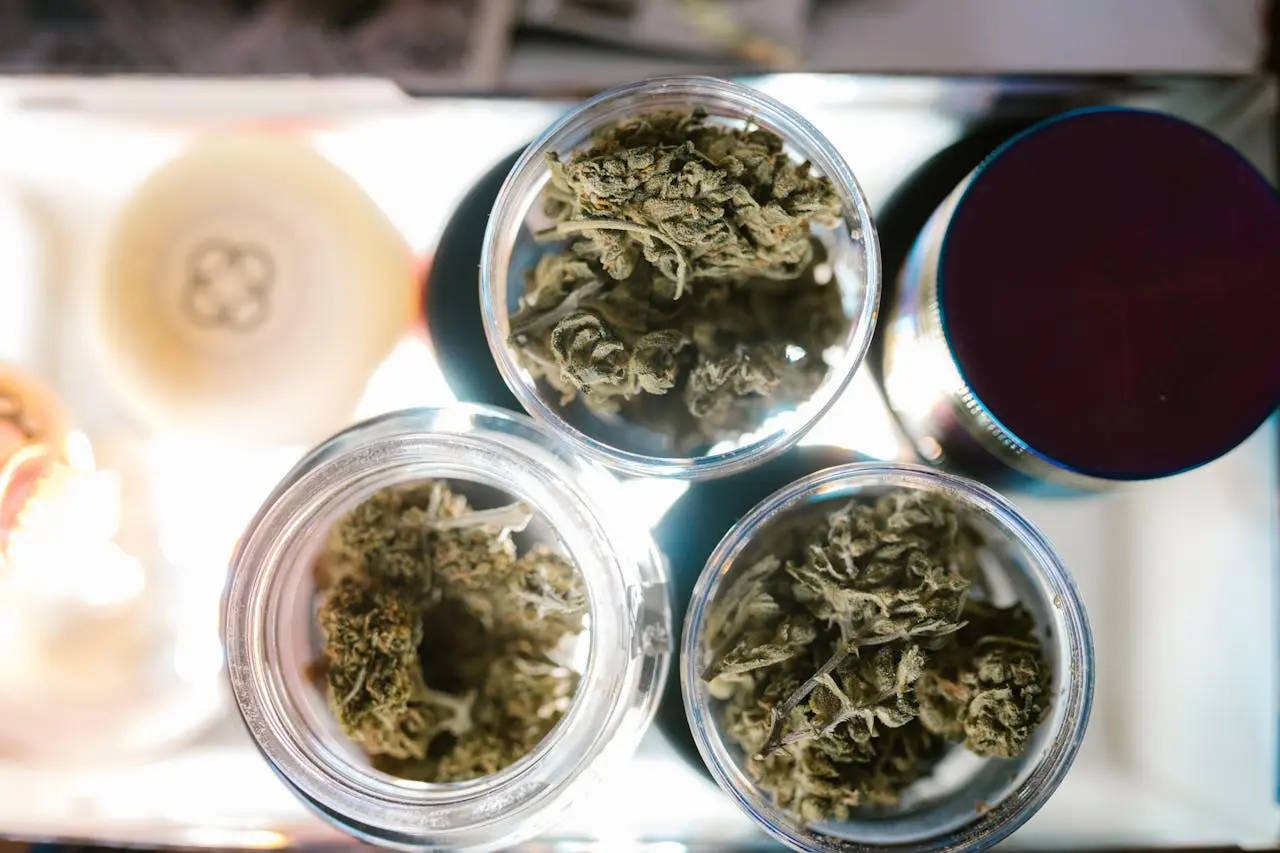
On Sunday, June 22, 2025, over 100 officers from the Ministry of Public Health, the Narcotics Suppression Bureau and the Office of the Narcotics Control Board (ONCB) launched a coordinated raid on 20 licensed cannabis outlets across Bangkok. The operation, mandated by Prime Minister Srettha Thavisin, aimed to enforce the Cannabis Act and related regulations following a surge in illicit activities associated with recreational cannabis sales.
Operation Overview
Teams converged on key retail districts, including Sukhumvit Soi 33, deploying health inspectors, narcotics agents and local police. Inspections focused on two primary violations:
* On-site smoking, prohibited under the Cannabis Act
* Failure to report daily sales to the Food and Drug Administration
Outlets found in breach were ordered to close for 10–14 days pending corrective measures. Inspectors collected evidence, including photographs of in-store smoking areas and unreported sales ledgers, to support potential prosecutions.
Government Rationale
Public Health Minister Somsak Thepsuthin emphasized that the raids were strictly a matter of legal compliance, “We must clearly define what counts as a narcotic, what is a controlled substance, and what may be sold commercially. Rules must be clear and orderly,” he stated. The move underscores the government’s broader strategy to crack down on unauthorized psychoactive substances, including Rohypnol and Alprazolam, alongside cannabis and kratom.
Shifting Cannabis Policy
Thailand’s landmark decriminalization of cannabis in 2022 initially spurred a boom in dispensaries, but regulators have since struggled to contain unregulated use. In response, the Ministry of Public Health is proposing tighter controls requiring medical prescriptions for recreational sales, limiting purchases to a 30-day supply, and reinforcing penalties for non-compliance; changes set to take effect within the next 40 days.
Implications for Licensed Businesses
* Short-term disruptions: Outlets shuttered by the raid face loss of revenue and reputational damage.
* Compliance costs: Businesses will need to invest in better point-of-sale reporting systems and staff training on smoking bans.
* Regulatory uncertainty: Further legislative amendments to the Cannabis Act may impose new licensing criteria or rescheduling measures, potentially classifying high-THC products as prohibited narcotics by year-end.
What’s Next?
The ONCB and Public Health Ministry have signaled that lessons from this sweep will inform revisions to existing regulations. Dispensary owners are advised to review all aspects of their operations, especially customer consumption areas and daily sales reporting to avoid future enforcement actions. The industry now braces for a period of heightened scrutiny as Thailand recalibrates its once-liberal cannabis framework.